A 1/4-inch mono jack female socket, also known as a 6.35 mm TS socket, is a widely used connector for carrying unbalanced mono audio signals. It is commonly found in guitar amplifiers, mixers, musical instruments, stage equipment, and other professional audio devices.
Although the connector looks simple, its mechanical construction and contact quality directly affect connection stability, signal integrity, and product life. This guide explains how a 1/4-inch mono jack socket works, where it is used, and what to check before selecting one for your equipment or OEM project.
What Is a 1/4-Inch Mono Jack Female Socket?
A 1/4-inch mono jack female socket is designed to accept a 6.35 mm TS plug. The abbreviation TS stands for Tip and Sleeve, the two conductive sections of the plug:
- Tip: carries the audio signal.
- Sleeve: provides the ground or return connection.
Because it uses two conductors, a TS connection carries one audio channel and is normally unbalanced. This makes it suitable for mono instruments and short signal paths where a straightforward, durable connection is required.
Key Features of a Reliable Mono Jack Socket
Durable Mechanical Construction
Audio connectors are frequently plugged and unplugged, especially in live sound and musical instrument applications. A well-built socket should hold the plug securely and maintain consistent contact after repeated use.
Stable Electrical Contact
Low and consistent contact resistance helps reduce intermittent audio, crackling, and signal loss. The contact material, plating, and terminal design all contribute to reliable electrical performance.
Secure Equipment Integration
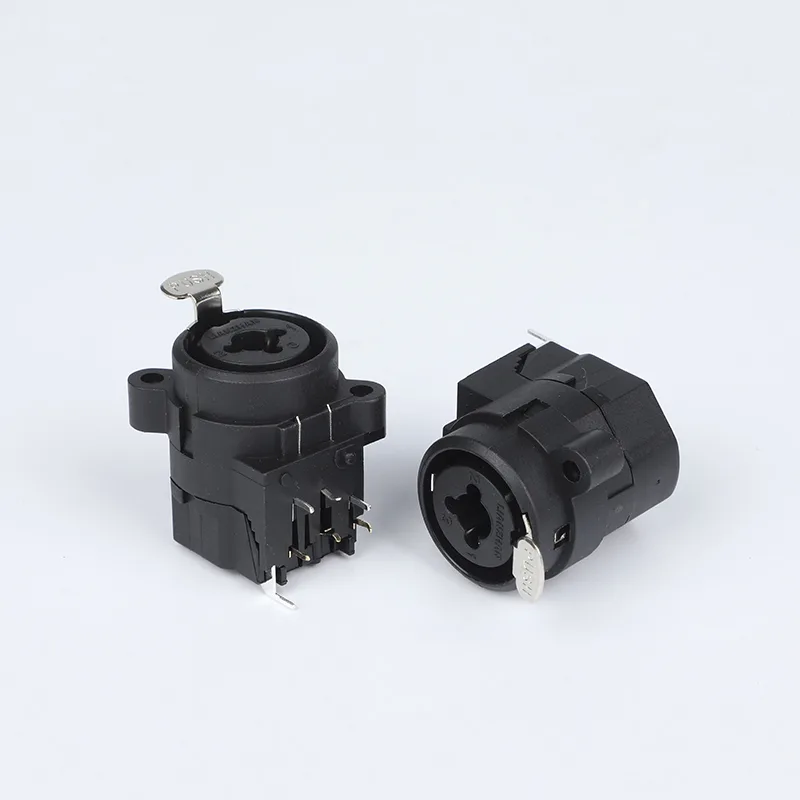
Female mono jack sockets are available in PCB-mount and panel-mount configurations. The correct mounting style depends on the product enclosure, PCB layout, assembly method, and expected mechanical load.
Optional Switching Contacts
Some socket designs include additional terminals for signal switching or plug detection. These contacts can disconnect an internal speaker, reroute a signal, or trigger another circuit when a plug is inserted. The required pin configuration should always be confirmed against the circuit design.
Common Applications
The 1/4-inch mono jack remains popular because it is robust, familiar, and easy to integrate. Typical applications include:
- Electric guitars, bass guitars, and electronic instruments
- Guitar and keyboard amplifiers
- Mixing consoles and audio interfaces
- Effects pedals and signal processors
- PA systems and stage equipment
- Test equipment and industrial audio devices
1/4-Inch Mono vs. Stereo Jack Sockets
A mono TS socket should not be confused with a stereo TRS socket. A TS connector has two conductors and normally carries one unbalanced audio channel. A TRS connector has three conductors: Tip, Ring, and Sleeve. Depending on the circuit, TRS may carry stereo audio or a balanced mono signal.
The physical diameter can be the same, so the internal contact arrangement and pinout must be checked before ordering. Choosing the connector by size alone can lead to wiring errors or missing switching functions.
How to Choose the Right 1/4-Inch Mono Jack
Before selecting a female socket, review the mechanical and electrical requirements of the finished product.
- Mounting method: choose PCB mount, panel mount, or a design that combines both.
- Pin configuration: confirm whether the circuit needs only Tip and Sleeve contacts or additional switching terminals.
- PCB footprint: verify terminal spacing, orientation, and overall dimensions.
- Electrical rating: check the rated current, voltage, insulation resistance, and contact resistance in the product datasheet.
- Insertion life: select a connector rated for the expected number of plug-in cycles.
- Operating environment: consider temperature, vibration, humidity, and exposure to dust or contaminants.
For production projects, samples should be tested with the intended plug, PCB, enclosure, and assembly process before mass ordering.
Why Connector Quality Matters
The audio jack is a small component, but it is also a regular point of physical contact between the user and the equipment. Weak retention, inaccurate dimensions, or inconsistent terminals can cause loose connections, unwanted noise, and early product failure.
A reliable connector helps maintain stable audio performance while reducing servicing and replacement costs. For manufacturers, consistent dimensions and terminal quality also make PCB assembly and final inspection more predictable.
Audio Connector Solutions from ChengYuTech
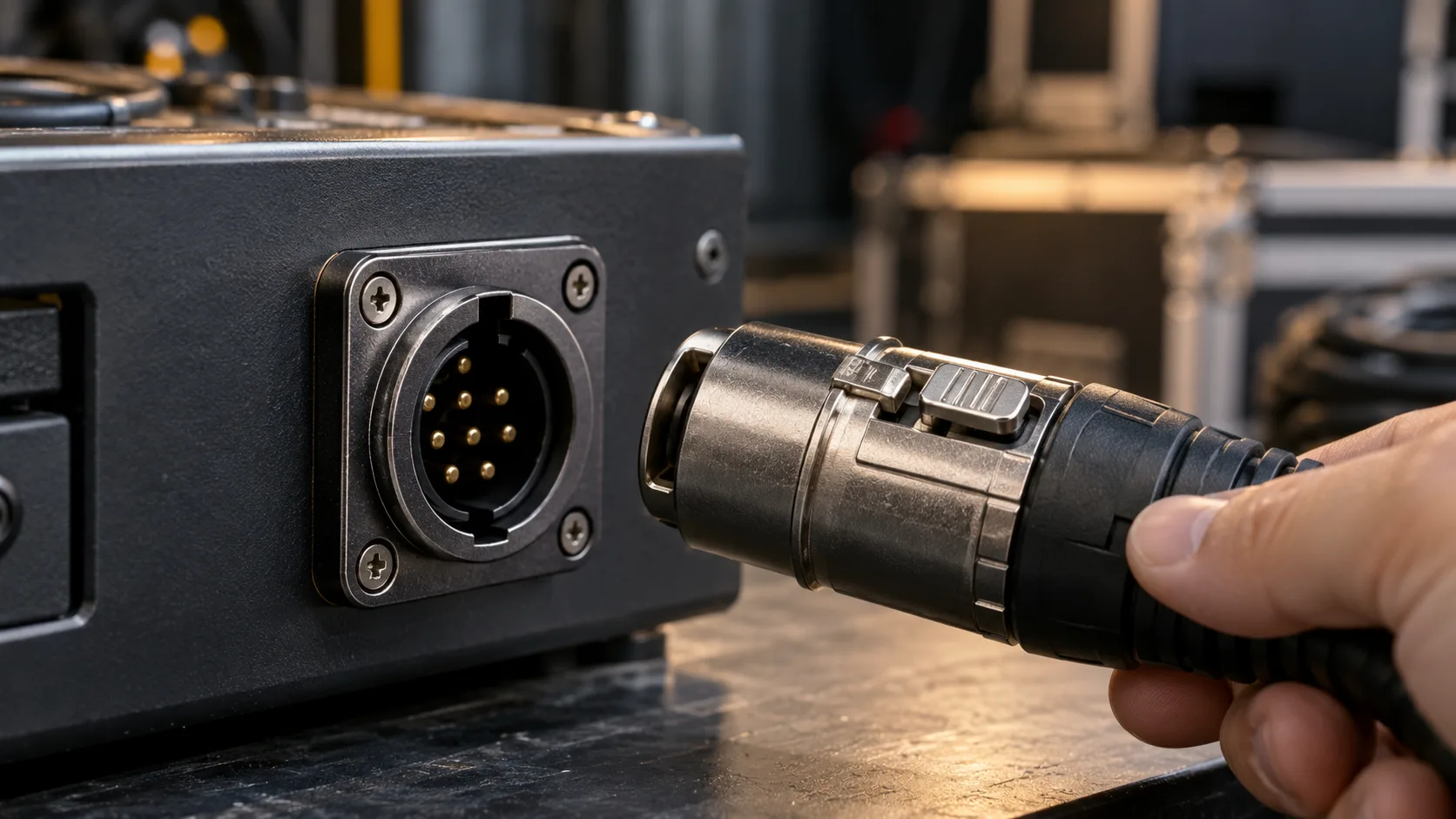
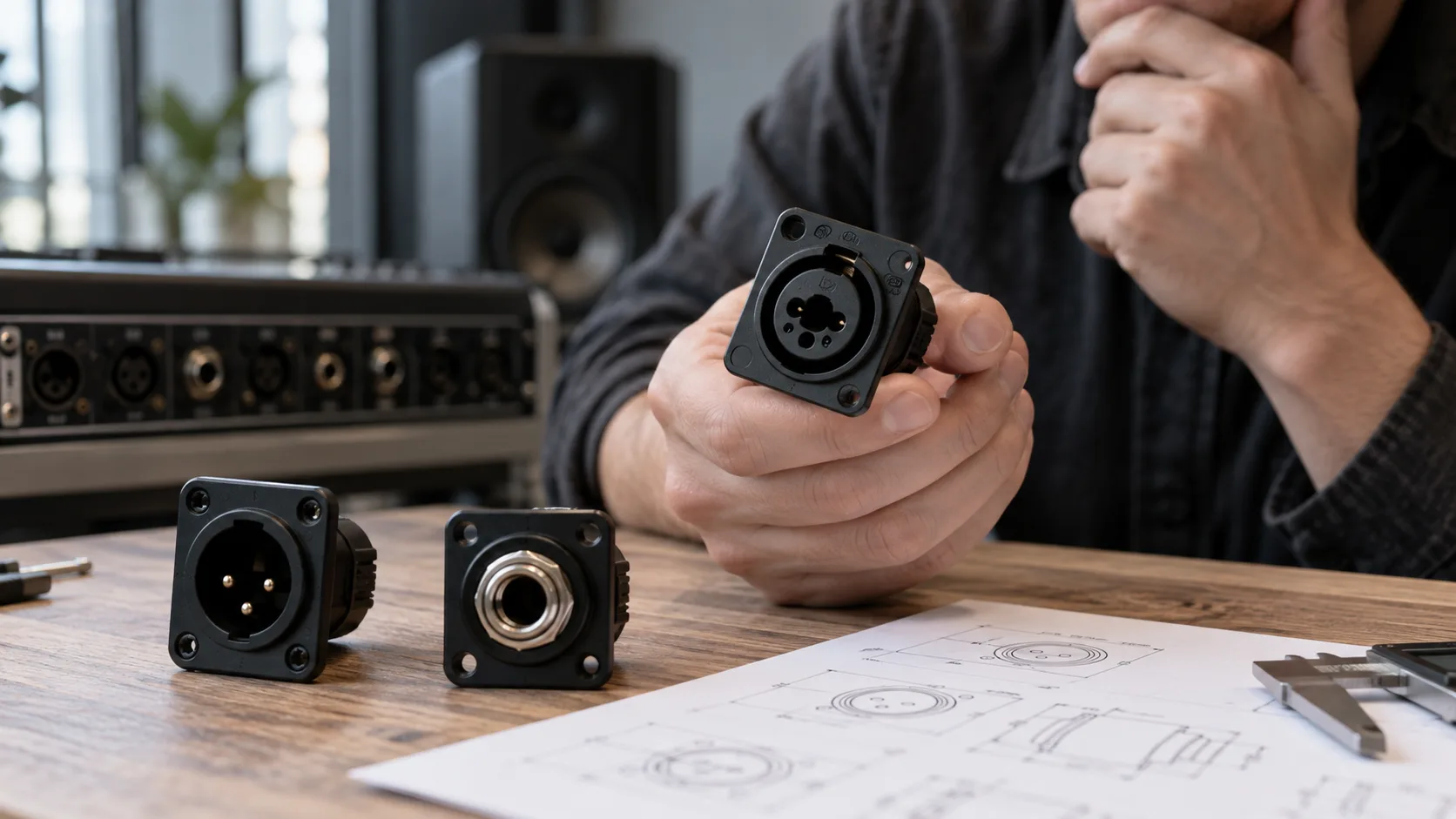
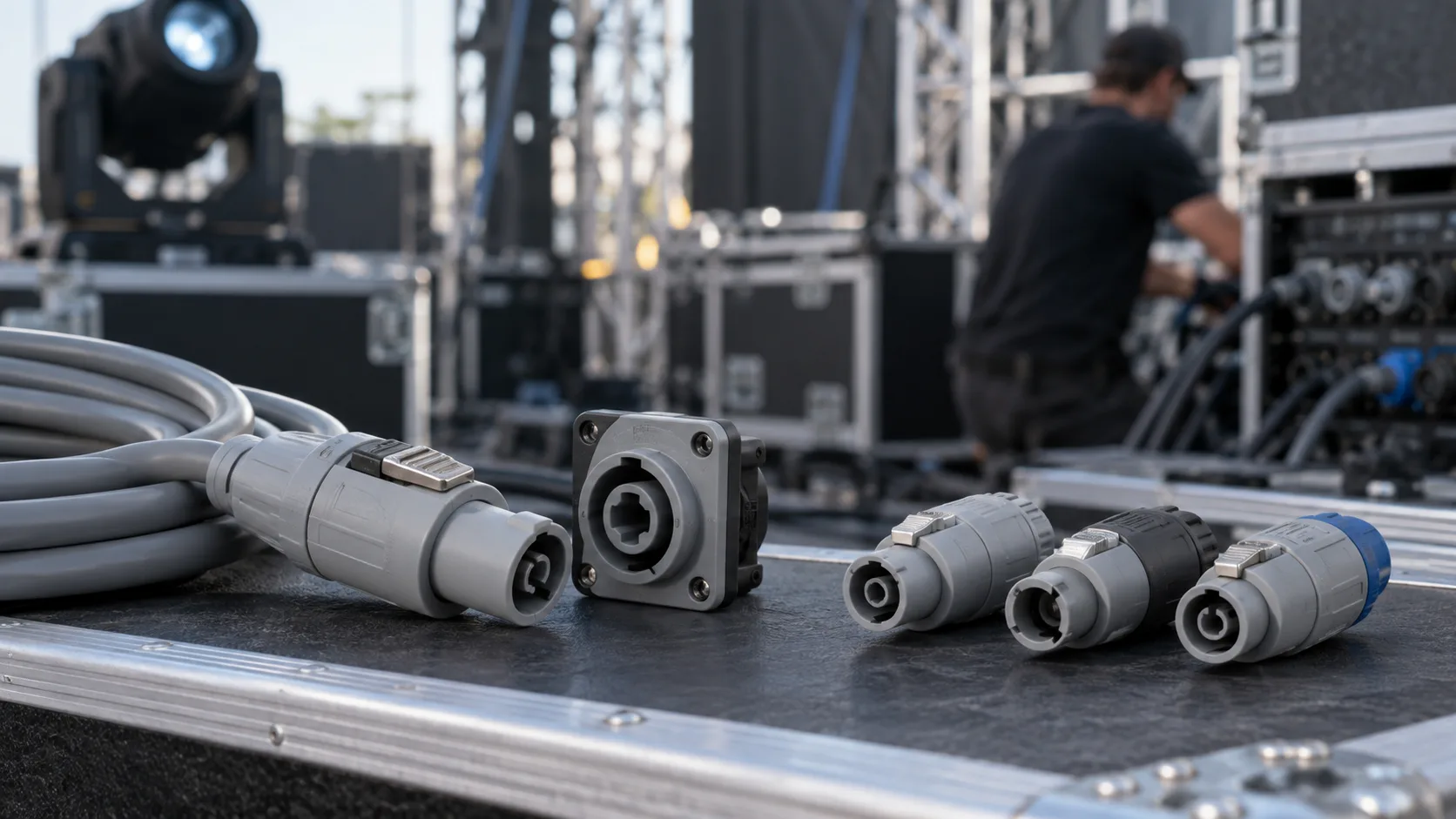
ChengYuTech manufactures and supplies audio connector components for mixers, amplifiers, musical instruments, audio-video equipment, and stage systems. The product range includes 1/4-inch phone jacks, audio jack sockets, XLR connectors, XLR combo jacks, SpeakON connectors, PowerCON connectors, and RCA jacks.
OEM and ODM support is available for projects with specific mounting, terminal, material, or performance requirements. Our team can help evaluate connector options based on your PCB layout, enclosure design, application, and order volume.
Conclusion
A 1/4-inch mono jack female socket provides a durable and practical connection for unbalanced mono audio. Selecting the right mounting style, pin arrangement, electrical rating, and mechanical structure is essential for dependable performance.
Need help choosing a 6.35 mm mono jack socket for your product? Contact ChengYuTech to discuss specifications, samples, OEM customization, or bulk purchasing.